eFootball Mobile: Fixing the Retention Crisis
Why 70% of players quit after 2 weeks — and how to fix it with better UX, guaranteed progression, and respect for player time.
The Problem
eFootball Mobile has superior gameplay compared to FIFA Mobile — better physics, more realistic controls, and a passionate community. Yet it suffers from significantly worse player retention, with an estimated 70% of new players quitting within the first two weeks.
Core Issues Identified
- Card Progression Wall: Players feel stuck after 2 weeks with no clear path to getting better cards despite consistent play
- Daily Task Friction: Mandatory penalty minigame has 90+ second unskippable animations, causing task abandonment
- Post-Maintenance Matchmaking Breaks: Every Thursday 2pm server maintenance causes matchmaking failures
- No Guaranteed Progression: Pure RNG with no pity system creates despair and "why bother?" moments
Research & Analysis
I conducted a mixed-methods research approach combining surveys, review analysis, and competitive benchmarking to understand the retention problem.
Methodology
User Survey: Surveyed active and lapsed eFootball players via Reddit (r/pesmobile), Discord communities, and gaming groups. Key questions focused on quit moments, daily task completion rates, and card acquisition frustration.
Review Analysis: Analyzed 200+ recent Google Play Store reviews mentioning "quit," "stop playing," "boring," and "waste of time" to identify common pain points.
Competitive Analysis: Compared eFootball's progression systems, daily tasks, and gacha mechanics against FIFA Mobile and other successful mobile games (Genshin Impact, Clash Royale).
Key Findings
Proposed Solutions
Based on research findings, I designed three interconnected solutions targeting the core retention problems: progression despair, UX friction, and technical quality.
Solution 1: Daily Task UX Overhaul — "Respect Player Time"
The current daily penalty task flow forces players through 90+ seconds of unskippable animations. This adds up to 10+ hours per year of forced waiting for active players, creating friction that drives task abandonment.
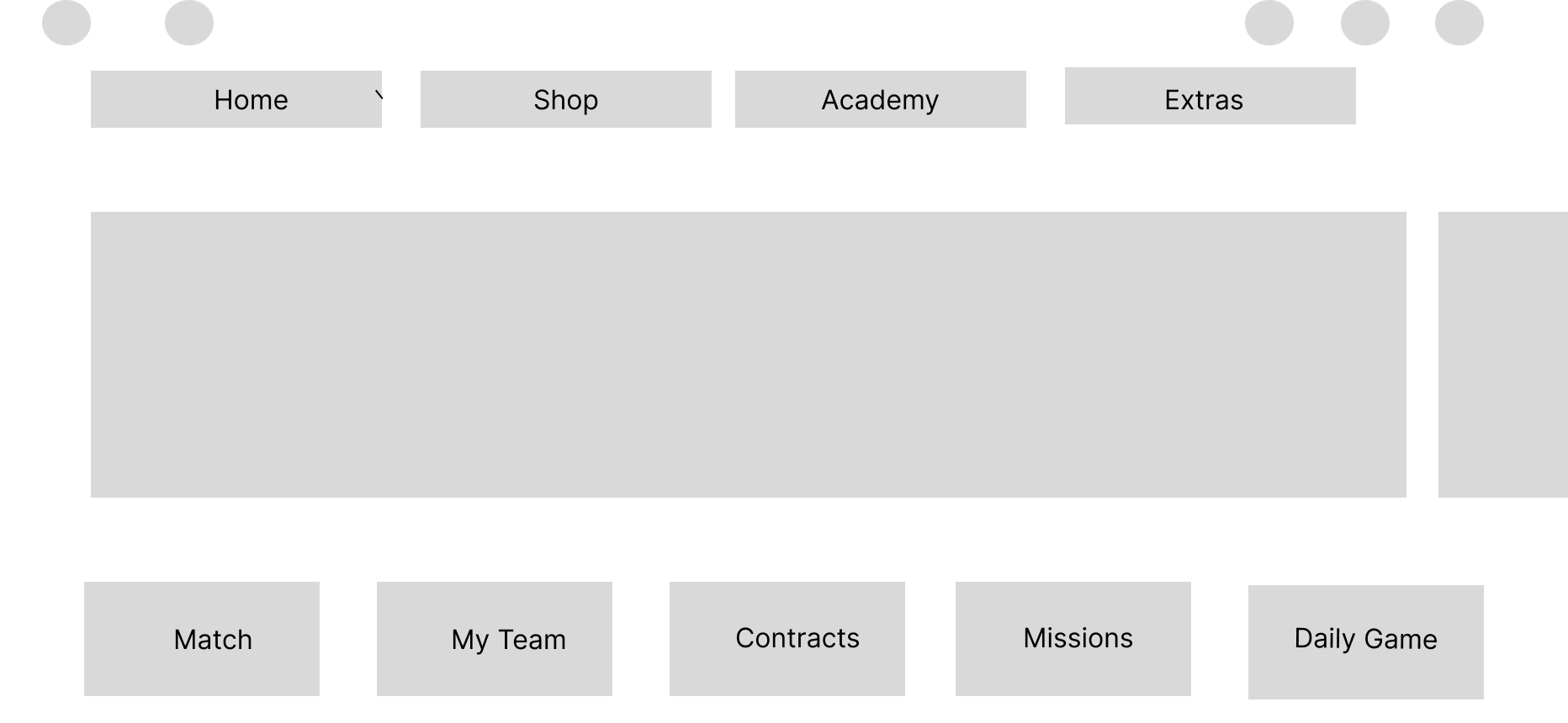
Current Flow: Players tap "Daily Game" from home screen
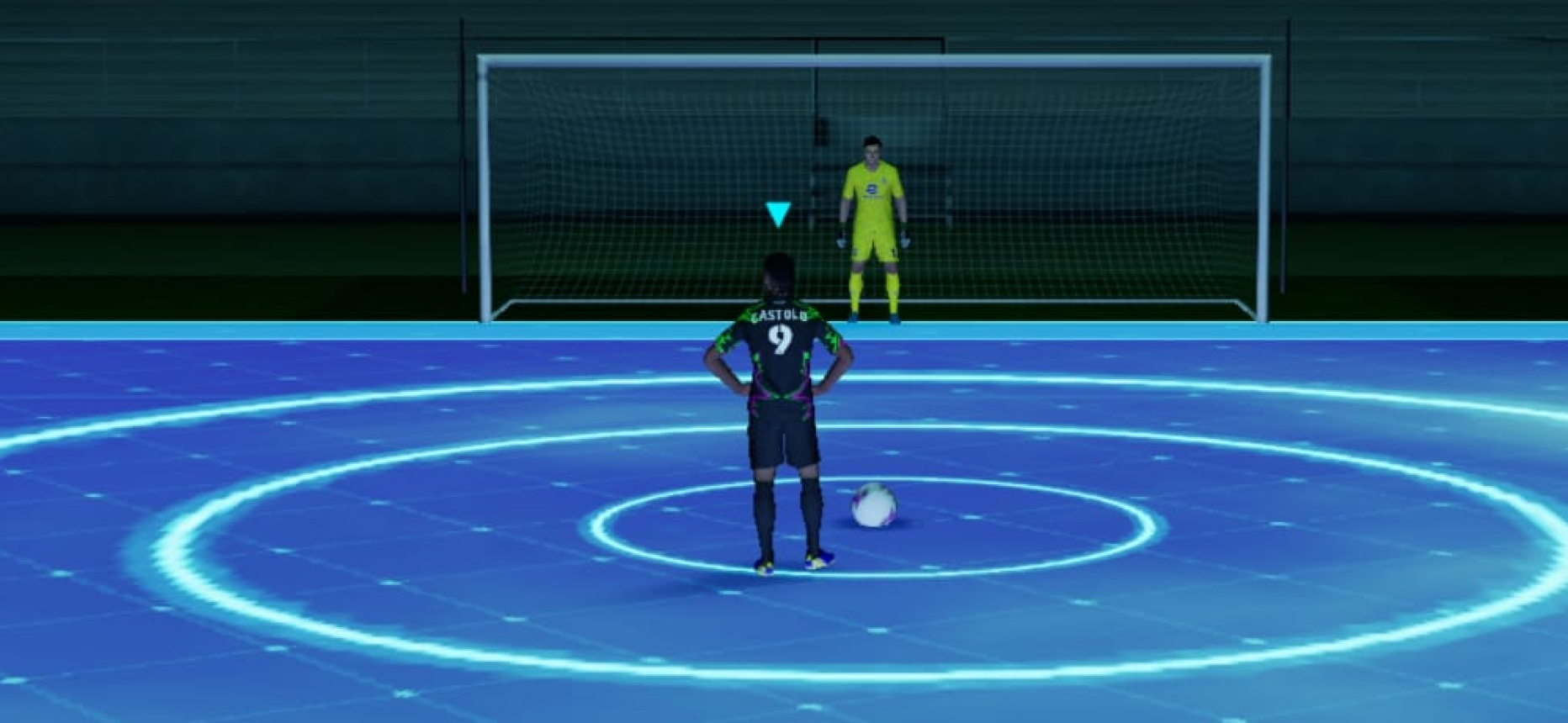
Problem: Mandatory penalty kick with 90+ second unskippable animations
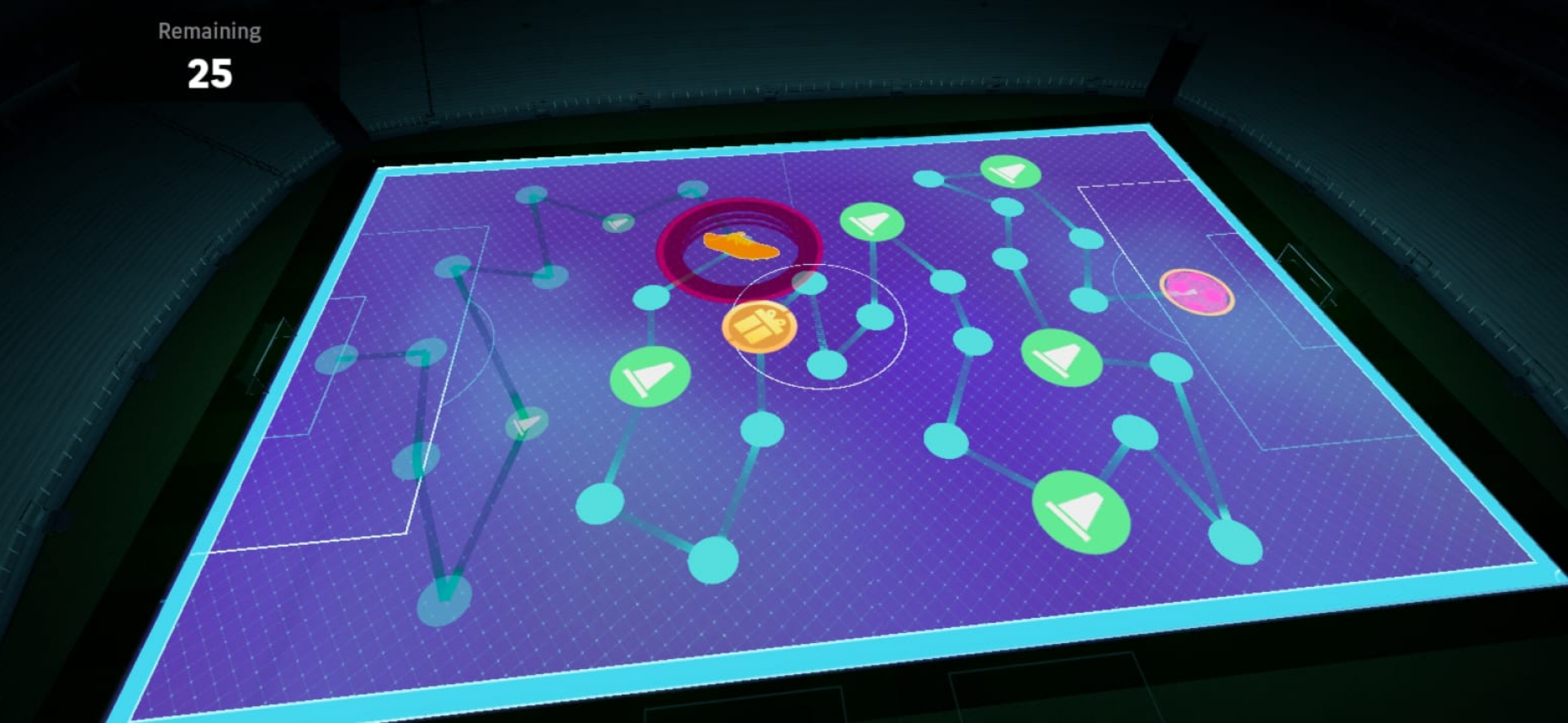
Problem: Multi-step progression board with individual reward animations
My Solution: Skip Animation Button
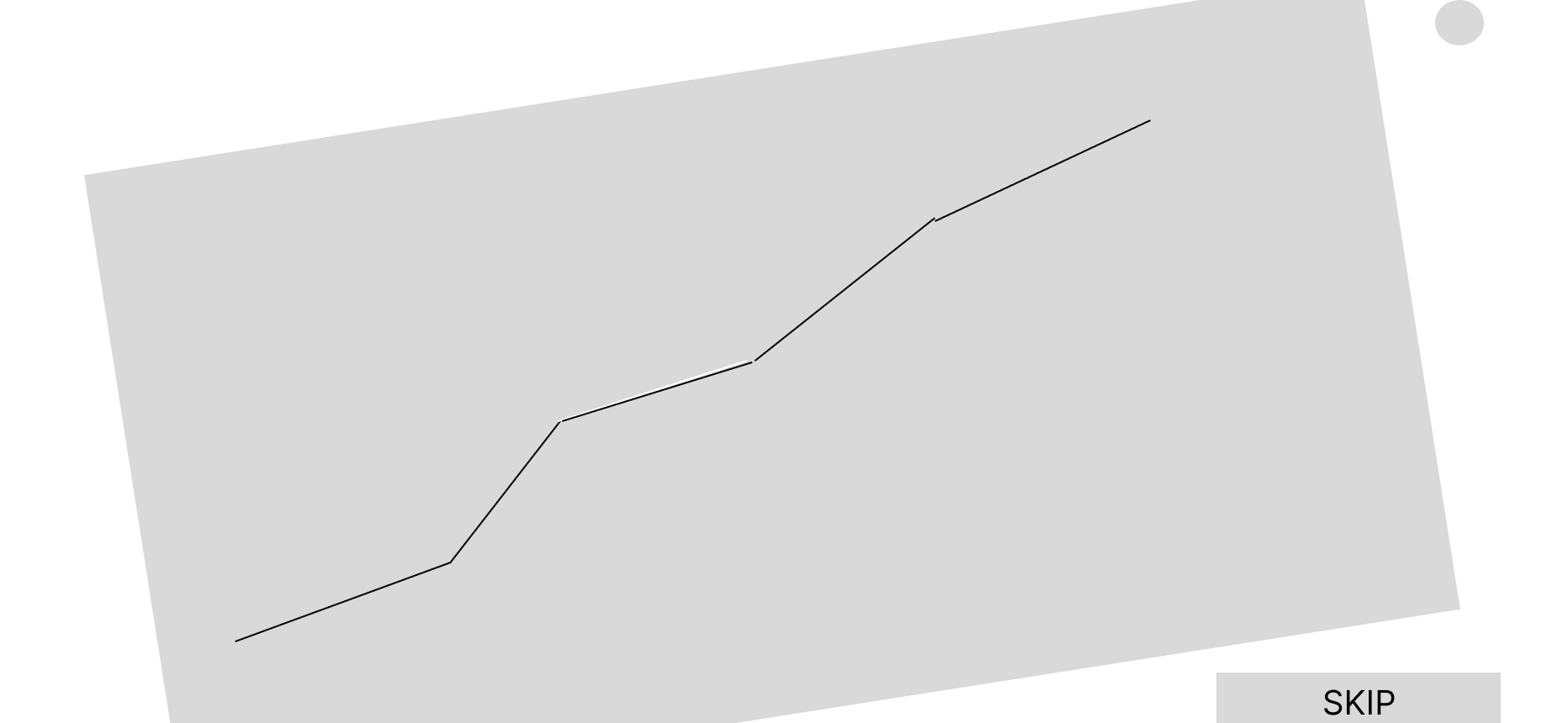
Solution: Add persistent "SKIP" button to all animations
Design Rationale:
- Persistent skip button in bottom-right maintains visual consistency across screens
- Reduces task time from 120 seconds to 20 seconds (83% reduction)
- Players still see rewards briefly, maintaining excitement without forcing extended viewing
- Simple implementation — no gameplay changes, pure UX improvement
Solution 2: Guaranteed Progression System (Pity Mechanic)
Implement a "soft pity" system similar to Genshin Impact to eliminate progression despair while maintaining gacha monetization.
- Pack Counter: After 50 packs with no Epic card → guaranteed Epic on next opening
- Weekly Milestones: Win 15 matches → choose 1 Legendary card from pool of 5
- Visual Progress Bar: Show "32/50 packs to guaranteed Epic" so players feel movement toward goal
- Transparent Odds: Display exact probabilities (required in many regions anyway)
Solution 3: Post-Maintenance Quality Gate
Reduce matchmaking failures and bugs after Thursday server maintenance through better QA process.
- Automated matchmaking regression tests before going live
- 30-minute beta window with 1% of users before full rollout
- Transparent "Known Issues" page updated within 1 hour of going live
- Rollback capability if critical bugs detected in first hour
Success Metrics & A/B Testing
I would measure the impact of these solutions through controlled A/B tests with clear success criteria.
Primary Metrics
| Metric | Baseline | Target (3 months) | Measurement Method |
|---|---|---|---|
| D7 Retention Rate | 30% | 45% (+15pp) | Cohort analysis by install date |
| D30 Retention Rate | 12% | 25% (+13pp) | Cohort analysis by install date |
| Daily Task Completion | 35% | 65% (+30pp) | % of DAU completing daily tasks |
| Average Session Length | 8.5 min | 12 min (+41%) | Mean session duration |
Secondary Metrics
| Metric | Target Direction | Why It Matters |
|---|---|---|
| DAU/MAU Ratio | ↑ Increase | Measures daily engagement vs installed base |
| Pack Opening Rate | ↑ Increase | Are players more motivated to earn/open packs? |
| Play Store Rating | ↑ 3.2 → 3.8+ | External signal of player satisfaction |
| Revenue per DAU | → Monitor (no decrease) | Ensure retention gains don't hurt monetization |
Proposed A/B Test Structure
Test 1: Skip Animation Feature
- Control: Current flow (50% of new users)
- Treatment: Skip button enabled (50% of new users)
- Duration: 2 weeks
- Success Criteria: Daily task completion rate >50% in treatment group
Test 2: Guaranteed Progression System
- Control: Current pure RNG system
- Treatment: 50-pack pity + weekly milestones
- Duration: 4 weeks (full progression cycle)
- Success Criteria: D30 retention >20% AND revenue per user neutral or positive
Key Learnings & Reflections
This case study taught me several important PM principles that I'd apply to future product work:
- Small UX friction compounds over time: A 90-second animation seems minor, but it becomes 12 hours per year. Respecting user time is critical for retention.
- Data + empathy beats assumptions: I initially thought card balance was the issue, but research showed progression clarity mattered more than raw odds.
- Solutions should be testable and reversible: All my proposals can be A/B tested with clear metrics and rolled back if they fail.
- Product strength ≠ retention: eFootball has objectively better gameplay than FIFA Mobile, but poor UX and progression systems kill retention. Great product requires great experience.
- Always measure both sides: Any retention improvement must not tank revenue — measure both together.
Want to discuss this case study?
I'm actively looking for PM internship opportunities where I can apply this type of user-centered thinking to real product challenges.
email: mdomarkhan314@gmail.com
Get in Touch